EDI Vision
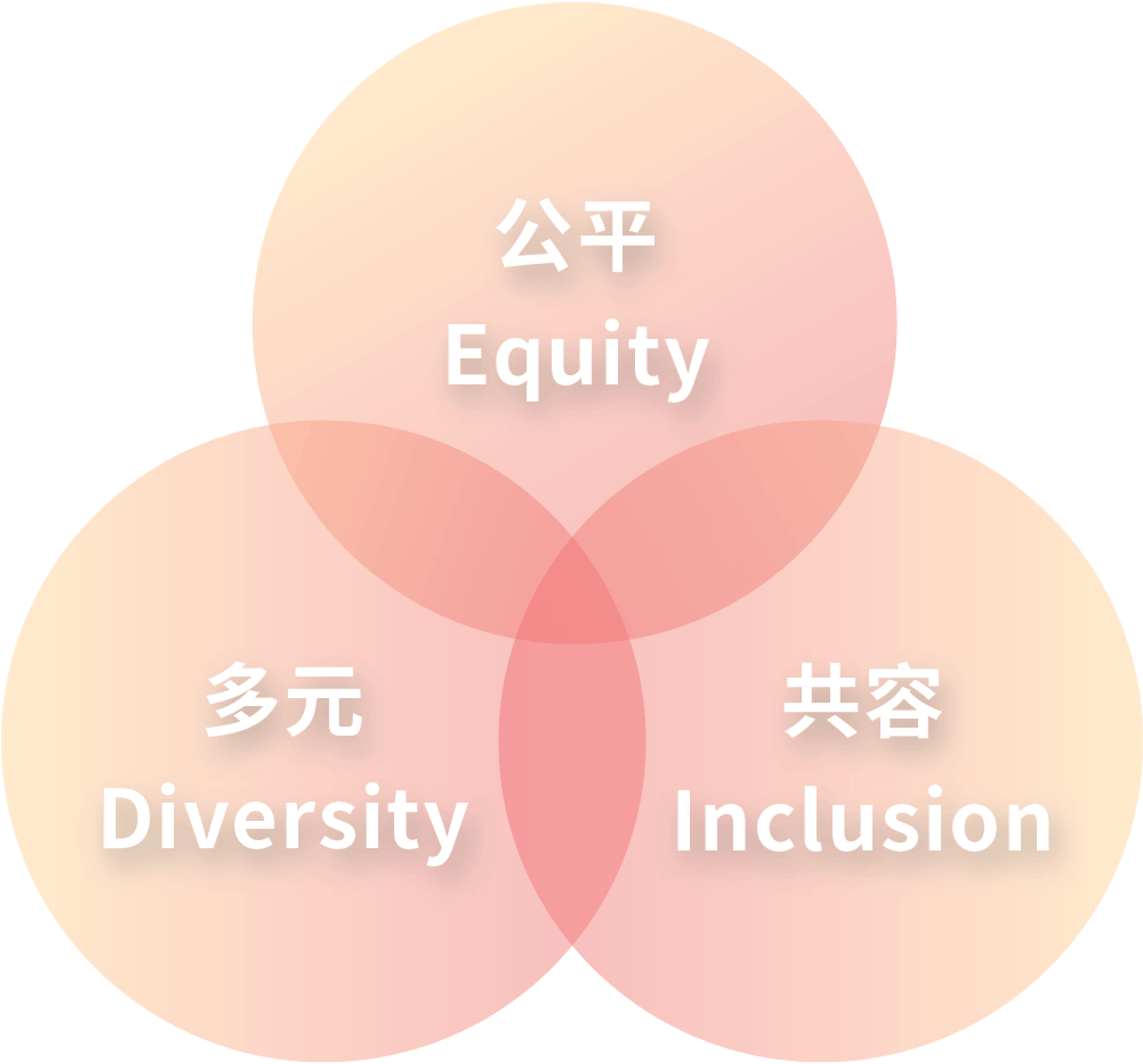
Guided by the three EDI principles, the University advances an inclusive campus across seven key areas
The NCCU community includes members from over 80 countries across five continents, as well as Indigenous peoples, Han Chinese, and new immigrants. Cultural diversity is therefore a reality on campus, and building a fair, diverse, and inclusive environment (Equity, Diversity & Inclusion, EDI) is a core value of the University. As a humanities- and social sciences–focused institution, NCCU is committed to becoming a model EDI campus.
More broadly, diversity also encompasses differences in age, language, sexual orientation, residence, health, economic background, beliefs, and more. As society evolves, new groups continue to emerge. We value diversity, respect differences, and uphold empathy, striving to build an EDI campus grounded in understanding and care.

Related Articles and Resources
- NCCU EDI Statement:Link
- NCCU’s Path Toward an Equitable, Diverse, and Inclusive University(2024 Media Briefing Presentation):Link
Physical and Mental Health Management
Self-Management of Health
The University continues to promote health promotion and Self-Management of Health, providing regular checkups, follow-up care, and subsidies for students and faculty:
- Students: Health checkups are conducted upon enrollment, with follow-up by the Physical and Mental Health Center for abnormal results. High-risk cases receive free re-examinations, and online self-health screening is available.
- Faculty and Staff: Health checkup subsidies and official leave are provided in accordance with regulations, with regular reminders, summer checkup programs, and LDCT lung cancer screening subsidies.
Health checkup participation and subsidies are reviewed regularly, alongside health promotion activities such as fitness programs, smoking cessation talks, sex education, and first-aid training, to strengthen campus health awareness and action.

Mental Health
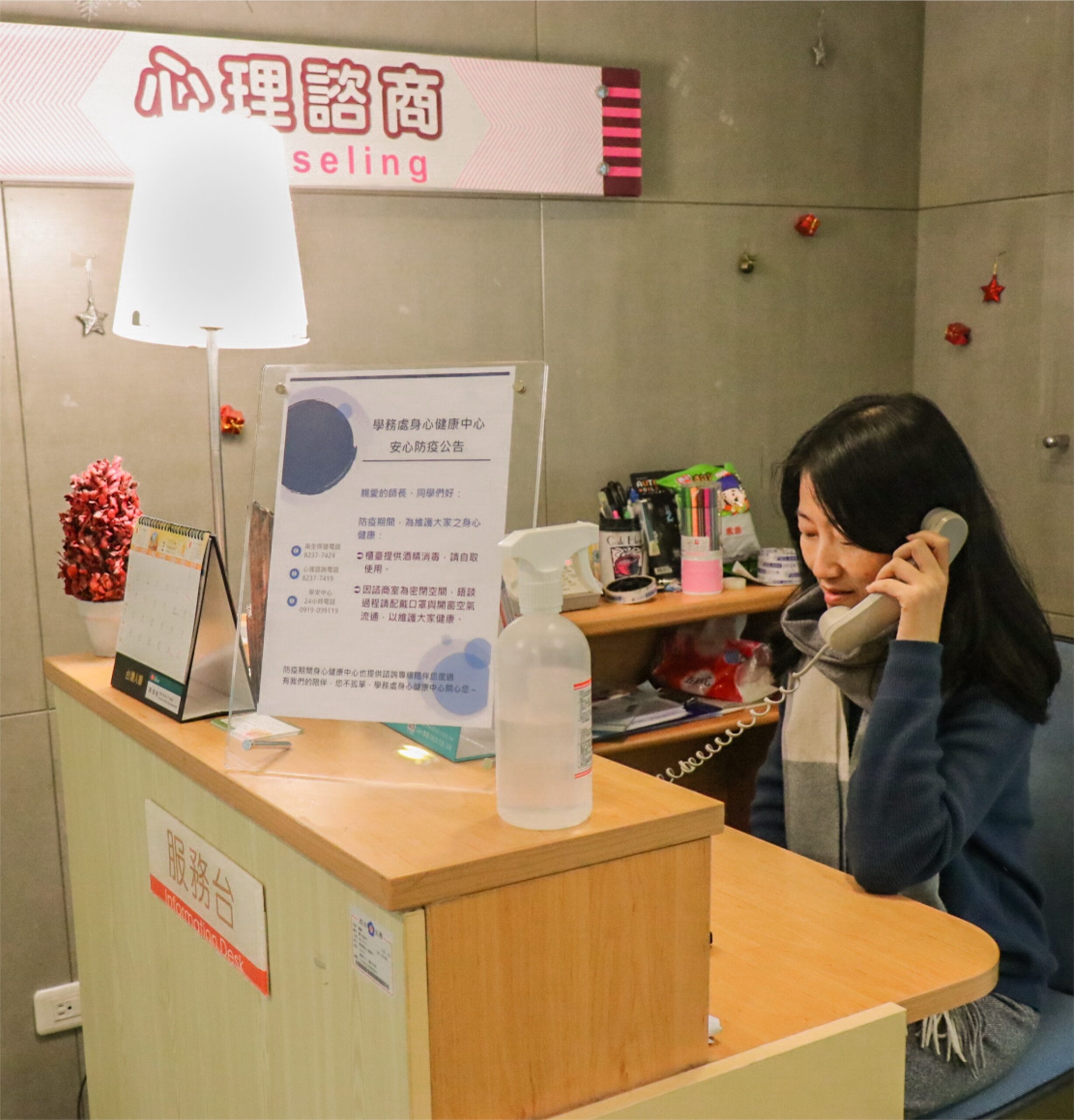
In response to growing mental health needs, the University launched the Long-term Campus Mental Health Care Program in 2023. Service capacity has been gradually strengthened through counseling assessments, health surveys, and follow-up and case management for high-risk individuals, providing multi-level mental health support.
Mental Health Support Highlights
- Steady growth in counseling demand, reflecting stronger help-seeking awareness among students
- More accurate identification of high-risk cases, with a notable decline in crisis incidents
- Expanded services through multilingual counselors, evening sessions, and the Daonan Branch, improving access and diversity of support
Employee Assistance Program (EAP): Integrates counseling services, communication channels, personal development activities, and health promotion measures. Faculty and staff are also eligible for up to six online counseling sessions per year, with a subsidy of up to NTD 2,000 per session, supporting a caring and supportive workplace.


Related Coverage:
Gender Equality
Gender Equality Mechanisms and Case Handling
In accordance with the Gender Equity Education Act, the University established a Gender Equality Committee to oversee policies, education, campus environment, and case investigations. In 2023, reports increased amid the #MeToo movement, prompting investigations, support measures, and awareness efforts. By 2024, report levels stabilized, reflecting a more mature system, alongside continued education and prevention initiatives.
Following a voyeurism incident in an all-gender restroom in October 2024, the University promptly enhanced facility design, updated guidelines, and added anti-voyeurism rules and inspections. Staffing for the Gender Equality Committee was also strengthened to ensure stable operations and a gender-friendly campus environment.
Gender Equality Education and Support Measures
To strengthen campus-wide gender awareness and legal literacy, the University’s Gender Equality Committee works with campus units to promote a gender-inclusive environment through education, institutional support, and space planning.
- Education and Outreach: In 2024, gender equality lectures and campaigns focused on bodily autonomy, interpersonal boundaries, and sexual harassment prevention, enhancing awareness and response capacity.
- Faculty and Staff Training: Regular training for new and current faculty and staff strengthens understanding of regulations and case-handling procedures.
- Institutional Support: Teaching load reductions are available with approval; gender issues are encouraged in general education courses, with incentives for effective initiatives by faculty and students.
- Inclusive Spaces and Housing: The Regulations for All-Gender Restrooms were adopted, with eight facilities completed in 2024. Dedicated administrative support also assists transgender students with housing needs, ensuring respectful and inclusive living spaces.


NCCU Gender Equality Education Committee Website:https://www.gender.nccu.edu.tw/zh/
Disadvantaged Student Support
Support for Economically Disadvantaged Students
To support students from economically disadvantaged backgrounds, the University implements the Hope Seed Cultivation Program, providing six types of assistance based on individual needs:
- Financial Support: Learning subsidies and allowances
- Academic Support: Teaching assistant matching
- Career Development: Subsidies for certifications, competitions, and internships
- Service Learning: Arts and cultural service placements
- Career Guidance: Learning pathway planning
- Indigenous Student Support: Indigenous language certification and community service
Students may report their needs upon enrollment. The Office of Student Affairs also uses the Student Support System to send care notifications and holds information sessions to help students access available resources.
✔ 2024:About one-quarter of economically disadvantaged students participated in the Hope Seed Program (468 of 1,859).
✔ Total support: Approximately NTD 158 million, benefiting 2,271 recipients.
NCCU Hope Seed Cultivation Program:https://osa.nccu.edu.tw/tw/希望種子/關於計畫/希望種子培育計畫源起
Support for Special Education Students
Through Individualized Support Plans (ISP), the University’s Resource Classroom provides tailored support to help students overcome learning challenges, including:
- Learning assistants, academic tutors, note-takers, speech-to-text services, and enlarged learning materials
- Support with course selection and housing, special exam arrangements, and psychological and career support
- Regular meetings of the Special Education Promotion Committee to coordinate cross-unit resources
- Scholarships and financial aid to support outstanding and economically disadvantaged students with special needs
✔ 2021–2024: 31–39% of students with special educational needs received scholarships or financial assistance.

Visit the NCCU Resource Classroom:https://osa.nccu.edu.tw/tw/身心健康中心/服務業務項目/資源教室
Diversity, Inclusion, and a Friendly Campus
Advancing Inclusive Actions to Foster a Diverse Campus
Guided by the Equity, Diversity, and Inclusion (EDI) vision, the University continues to promote respect for diversity and cultural inclusion. Key achievements in 2024 include:
- Institutional Measures: The introduction of a new Multicultural Leave (2 days per academic year) and the expansion of Indigenous Ceremonial Leave to 5 days, strengthening support for cultural diversity.
- Cultural Exchange: The World Carnival has been held more than 15 times. In 2024, it brought together 31 local and international booths and attracted around 1,800 participants, connecting international students, local communities, and schools.
- Human Rights and Inclusion Review: Participation in the Ministry of Education’s pilot program on Friendly Campus Human Rights Indicators to comprehensively assess campus human rights conditions.
- Microaggression Survey: A campus-wide baseline survey on microaggressions was launched, using questionnaires and focus groups to gather diverse experiences and inform future policy development.


Diverse Financial Aid for Student Well-being
The University is committed to creating an inclusive learning environment by providing targeted support for students from diverse backgrounds, helping them pursue their studies with stability and confidence.
- Indigenous Students: The Indigenous Student Resource Center offers life and career guidance and builds support networks through orientation activities, peer gatherings, company visits, and alumni connections. Financial support is coordinated through the Hope Seed Cultivation Program, along with subsidies from the Council of Indigenous Peoples and local governments, with proactive eligibility checks to assist students in accessing resources.
- International Students: The Office of International Cooperation provides bilingual information, orientation programs, buddy systems, and volunteer support to help students connect with campus resources and adapt to life in Taiwan. Emergency assistance is also available to support international students facing unexpected difficulties.
Campus Internationalization
Bilingualism and Multiculturalism
The University promotes bilingual and multicultural education by expanding English-Medium Instruction (EMI)courses and developing a distinctive focus on “Humanities AI × Bilingual Education“. Through course design and teaching assistant training, cross-cultural interaction and English learning support are strengthened, fostering a natural bilingual learning environment.
NCCU Bilingualism and Multiculturalism Promotion Office:https://bmo.nccu.edu.tw


Career Development Support
The University Career Center strengthens internship programs through regular university-level internship committee meetings and support for department-level committees. It also adopts the MOE UCAN career assessment system and NCCU-specific modules to provide personalized exploration tools and industry mentor consultations. In 2024, the Center hosted 47 lectures and workshops with over 5,400 participants, and the career fair attracted 178 companies and around 8,000 attendees.
To strengthen the integration of learning and practice and encourage diverse learning, the Career Center also implements the following support measures:
- Developed the NCCU Career Platform to integrate internship information and resources through a one-stop service.
- Organized overseas career talks and immersive study visits to expand international internship opportunities.
- Provided career guidance for international students to support pathways to employment in Taiwan.
- Supported university-level student teams (e.g., Career Pathways and Recruitment Month) in hands-on career activities.
- Enhanced the Student Holistic Development and Self-Management System to integrate learning and activity records and support personalized e-portfolio development.


Student Sustainability Initiatives
NCCU has 210 student clubs spanning academics, arts, service, social activities, and sports, with active engagement in social issues. During the 2024 winter and summer breaks, 38 service teams carried out outreach activities, serving 1,885 participants. Many clubs integrate sustainability into everyday actions, demonstrating student-led civic engagement—from local initiatives to international action—in advancing sustainable values.


Promoting resource reuse and cross-strait student interaction to foster an inclusive campus.