Greenhouse Gas Emissions Reduction Inventory
In response to the major emission source identified in 2023—sulfur hexafluoride (SF₆) leakage from the outdated equipment at the University’s 69kV substation—NCCU actively monitored and evaluated potential improvements in 2024. Recognizing that this facility is critical to the resilience and stability of the University’s overall power supply, NCCU invited representatives from the Taiwan Power Company (Taipower), the University’s high-voltage equipment maintenance contractor, and certified electrical engineers to discuss potential repair and replacement strategies, such as gas leak monitoring and replacement of aging power transformers.

NCCU Greenhouse Gas Verification Report Opnioion_Baseline Year 2023
Greenhouse Gas Emissions Reduction Strategies
The University has outlined five key strategies for achieving carbon neutrality. Since 2024, responsible units have begun implementing these strategies and evaluating their progress.

In line with the updated national reduction targets set for 2025 (32% by 2032 and 38% by 2035), the University will continue aligning with national climate policies and regularly review and adjust its campus carbon-reduction strategies.

Energy Management
Electricity Management
The University follows the “Electricity Efficiency Management Program for Government Agencies and Schools” and continues to promote energy-saving efforts, targeting a 1% reduction in electricity use each year. In recent years, we have expanded equipment audits and replaced outdated systems, including lighting, chillers, and elevators. Units across campus are also encouraged to replace high-consumption lighting with LED fixtures and review air conditioners and central cooling systems over nine years old to improve energy efficiency.
In November 2023, the Environmental Protection, Safety, and Health Committee approved the University’s “Energy Saving Recommendations” which provide clear directions and practical recommendations for campus implementation.

Renewable Energy
The University continues to increase the use of renewable energy. In 2024, actual solar power generation is estimated at 610,000 kWh, accounting for approximately 1.85% of total annual electricity consumption. We are currently coordinating with campus units to assess the potential for expanding rooftop solar installations, provided that building safety and waterproofing are not compromised.
In terms of green buildings, four campus buildings have received Green Building Certification, including Dah Hsian Seetoo Library (Silver) and the Public Enterprise Center (Gold). The new Law School building obtained its occupancy permit in 2025 and has applied for Bronze-level certification.
Check real-time solar power generation data for the University:

Water Management
NCCU continues to improve campus water efficiency. Major projects include the relocation of a 2,000-ton storage tank and upgrades to the lower campus water network to address long-standing leakage. Since 2024, pipeline replacement and smart water meter installations have been underway in the upper campus, with estimated annual savings of 400,000 tons and a six-year payback period.
In 2024, per capita daily water use was 87.17 liters, well below the Ministry of Economic Affairs’ recommended level of 108 liters. The University received an “Excellent Award” in the 2023 water conservation from the Water Resources Agency.


The University is advancing toward a Smart Water Campus through the following strategies:
- Awareness and Education: Establishing drought response procedures, conducting campus-wide water-saving campaigns, and promoting the use of water-efficient labeled equipment.
- Equipment Upgrades: Gradually replacing restroom fixtures, chillers, boilers, and thermal storage tanks.
- Pipeline Renewal: Implementing phased pipeline replacements and pump upgrades for aging water supply systems.
- Water Monitoring: Installing 20 digital water meters and water-level monitoring systems for six major reservoirs to enhance anomaly alerts and leak detection.
- Rainwater Harvesting: Rainwater collection systems are in place at facilities such as Ziqiang Dormitory No. 10, Dah Hsian Seetoo Library, and the Public Enterprise Center to support toilet flushing, irrigation, and landscape use.
Green Procurement
The University follows the government’s “Institutional Green Procurement Plan” to strengthen campus implementation. By promoting recyclable, low-pollution, and resource-efficient products, encouraging procurement staff training, and adopting a “lease-before-buy” approach, green procurement performance has consistently exceeded government targets, reflecting the growing integration of sustainable purchasing practices across campus.

Documents on Green Procurement Policy Promotion
- Reference Question Bank and Guidelines for the Green Procurement Familiarity Test
- List of Designated Green Procurement Items
- Bonus-Point Green Procurement Items
- Green Procurement Process Flowchart
Waste Reduction
Through campus policies and student-led initiatives, the University promotes waste reduction and resource circulation to advance a more sustainable campus:
- General waste is collected daily by licensed contractors and sent to incineration facilities; additional bins and cleaning support are available during events.
- Plastic disposable tableware is prohibited at on-campus dining facilities, and incentives are offered for bringing reusable containers.A campus-wide reduction plan for bottled water at meetings was approved by the University Council(Resolution of the 222nd University Council Meeting).
- Decommissioned campus items are reused through thrift-style auctions to promote resource circulation.
- Students organize secondhand, zero-waste, and plastic-free markets.
- Recycling and waste bin maps have been optimized to improve recycling rates.
- Waste reduction is promoted through sustainable water service practices at campus marathon events.

Resilient Campus
Campus-Wide Landscaping Improvement Plan
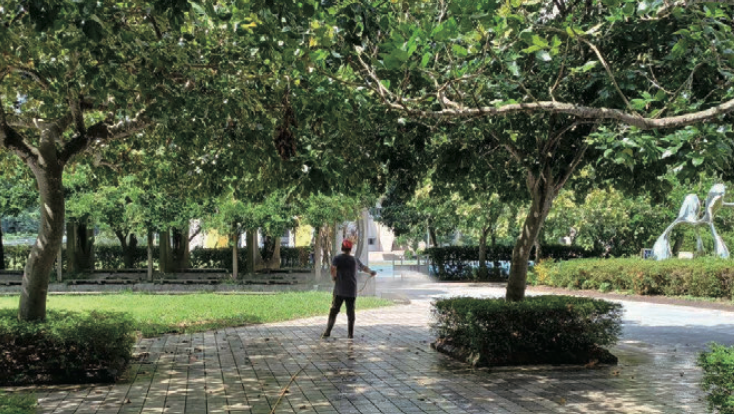
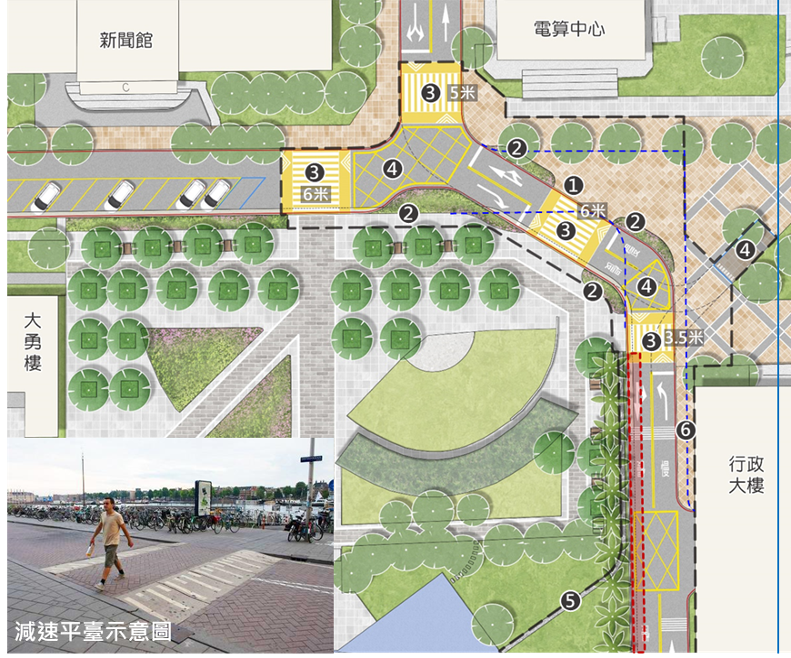
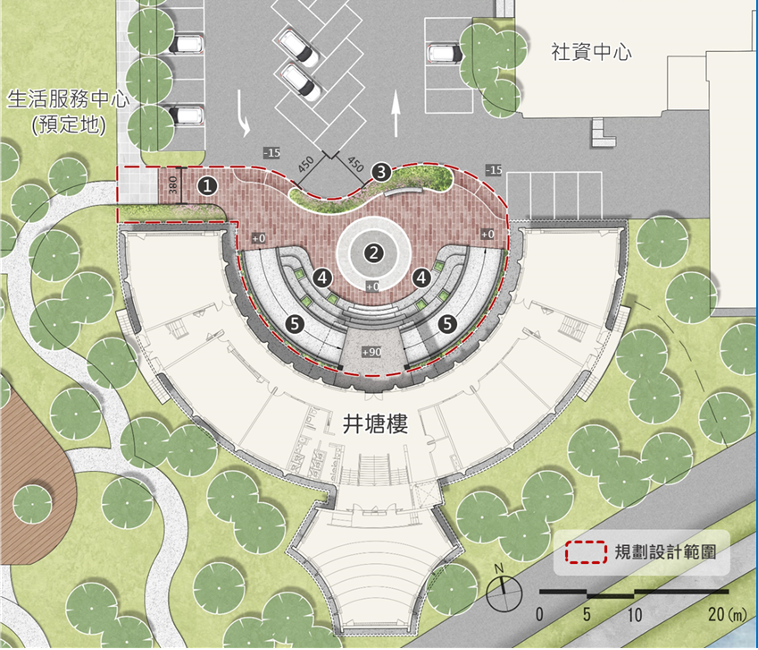
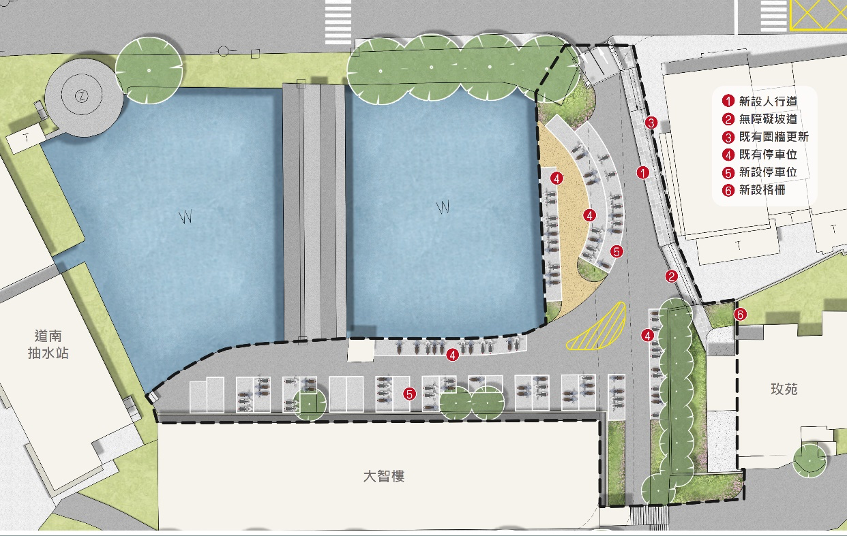
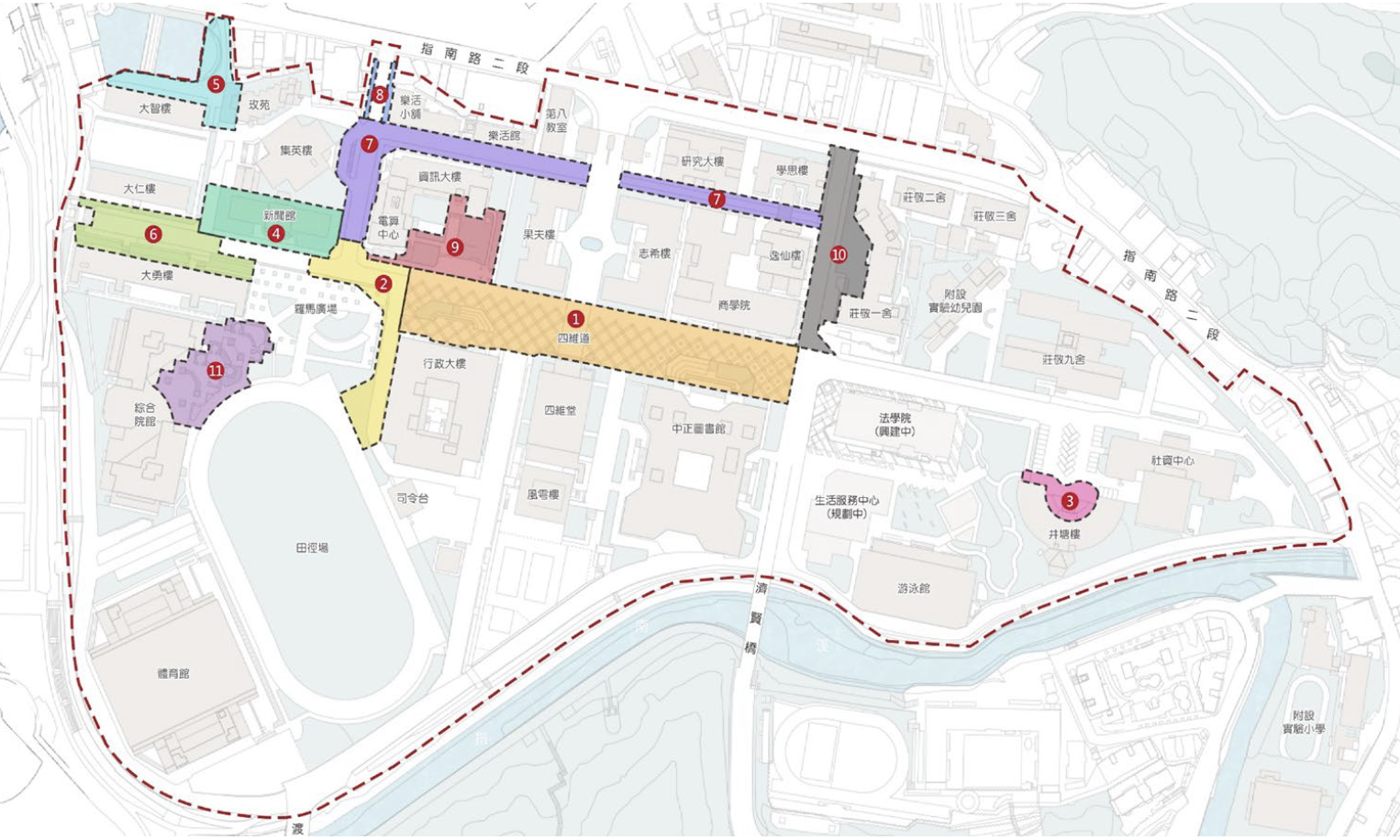
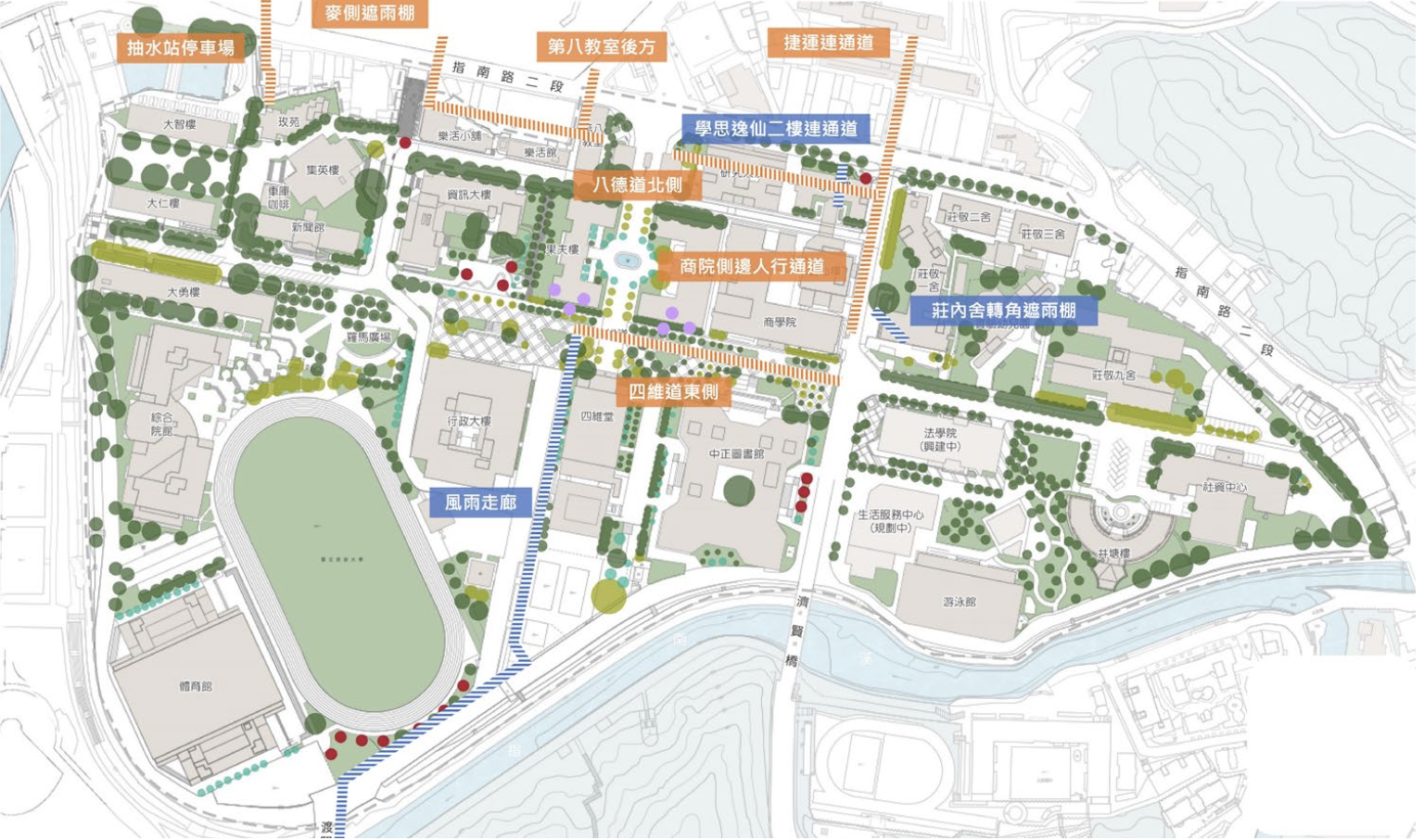
In response to the campus’s humid climate and aging facilities, the University launched a campus-wide floor and landscape improvement plan integrating anti-slip safety, greening, pedestrian-friendly design, and Nature-based Solutions (NbS). Improvements are being implemented in phases.
In 2024, accessibility facility surveys, walkway improvement designs, and reviews of multiple projects were completed, including Siwei Road and the main entrance area, the Roman Forum Humanistic Transport Improvement Project, improvements to the wooden decking in front of the College of Education, and pedestrian space improvements behind the Ta Chi Building. These projects have entered the procurement phase, and trial pavement installation was also completed in the Mai-side area.
Ecological Conservation and Environmental Education
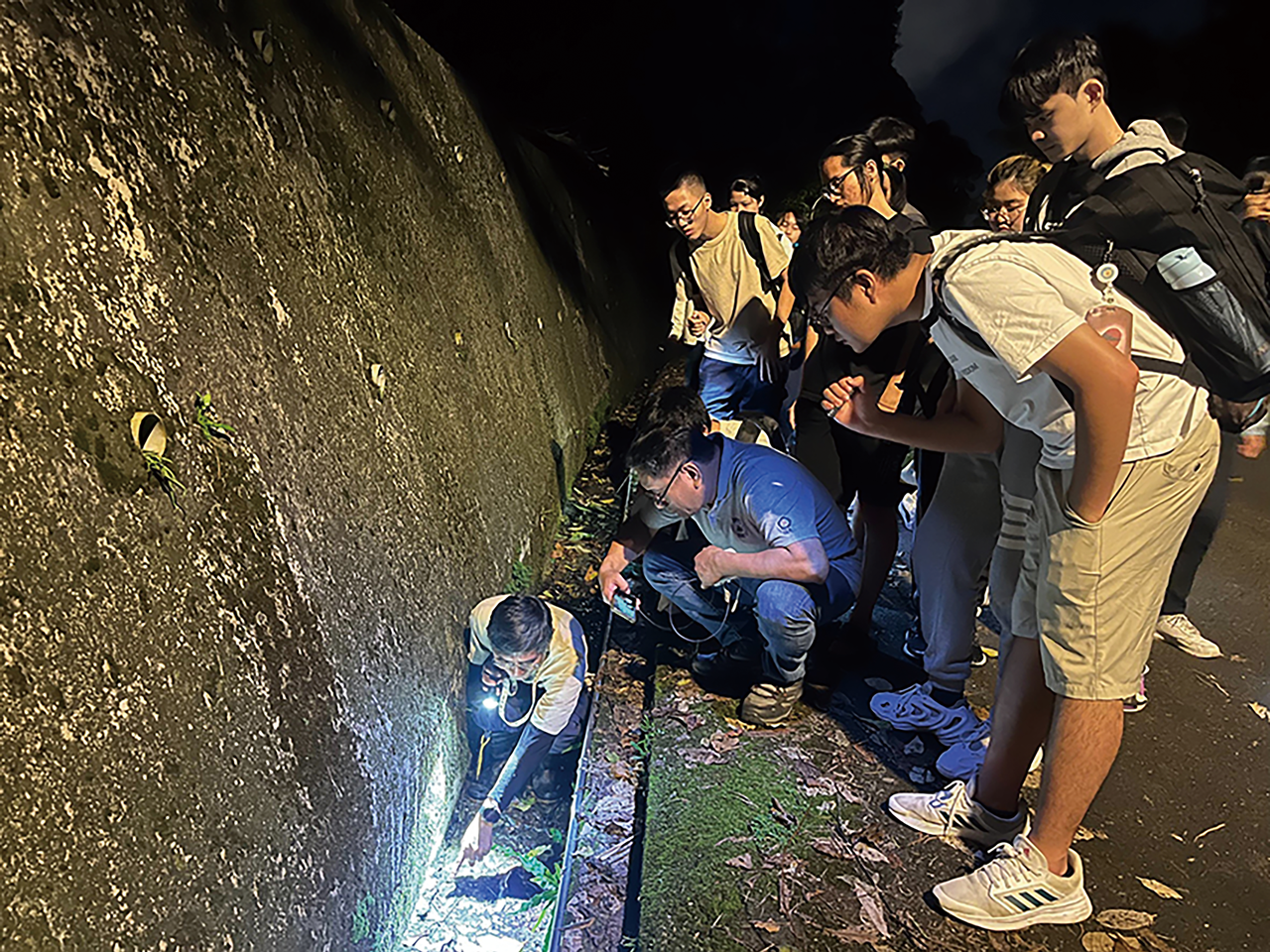
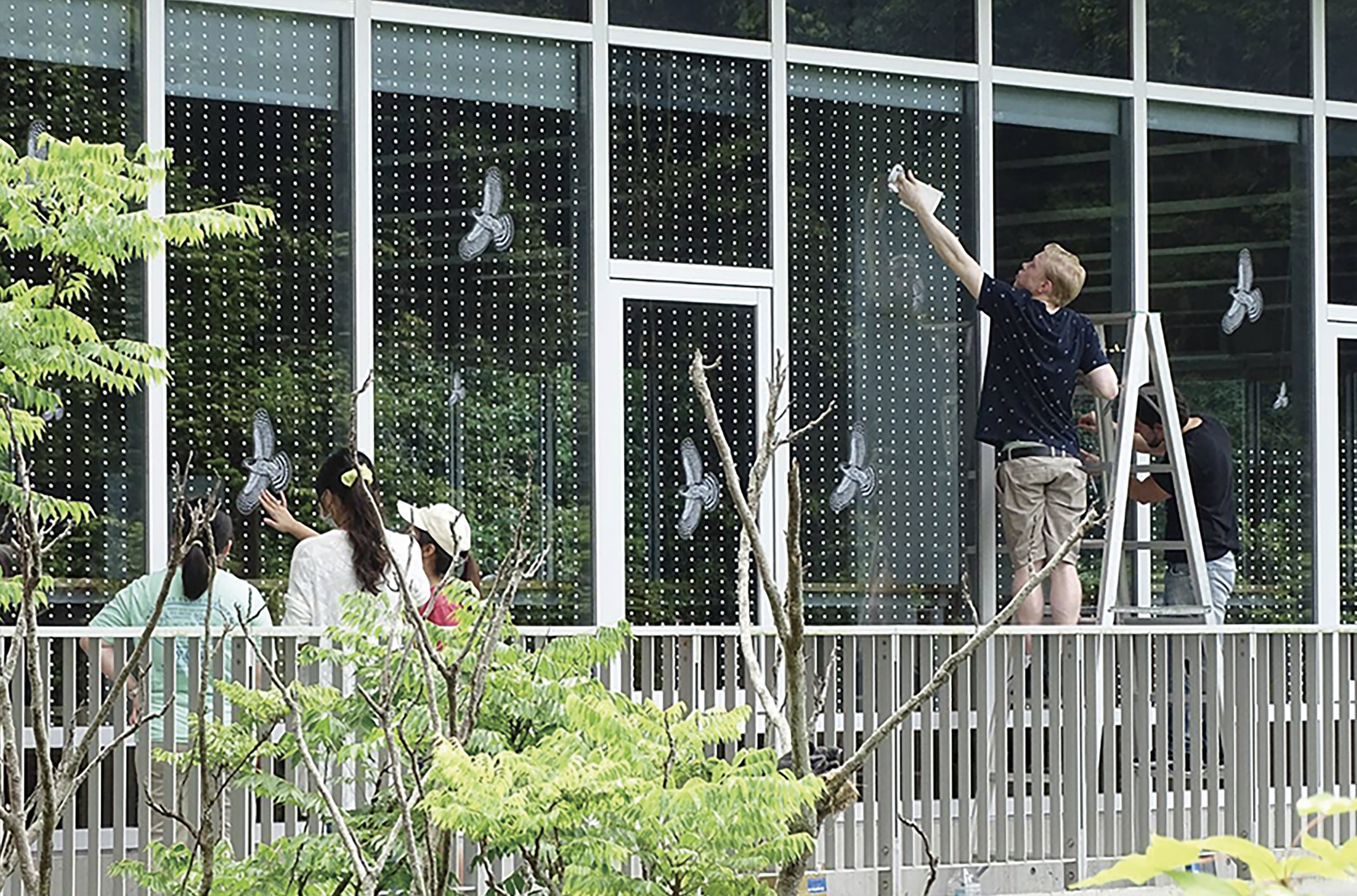
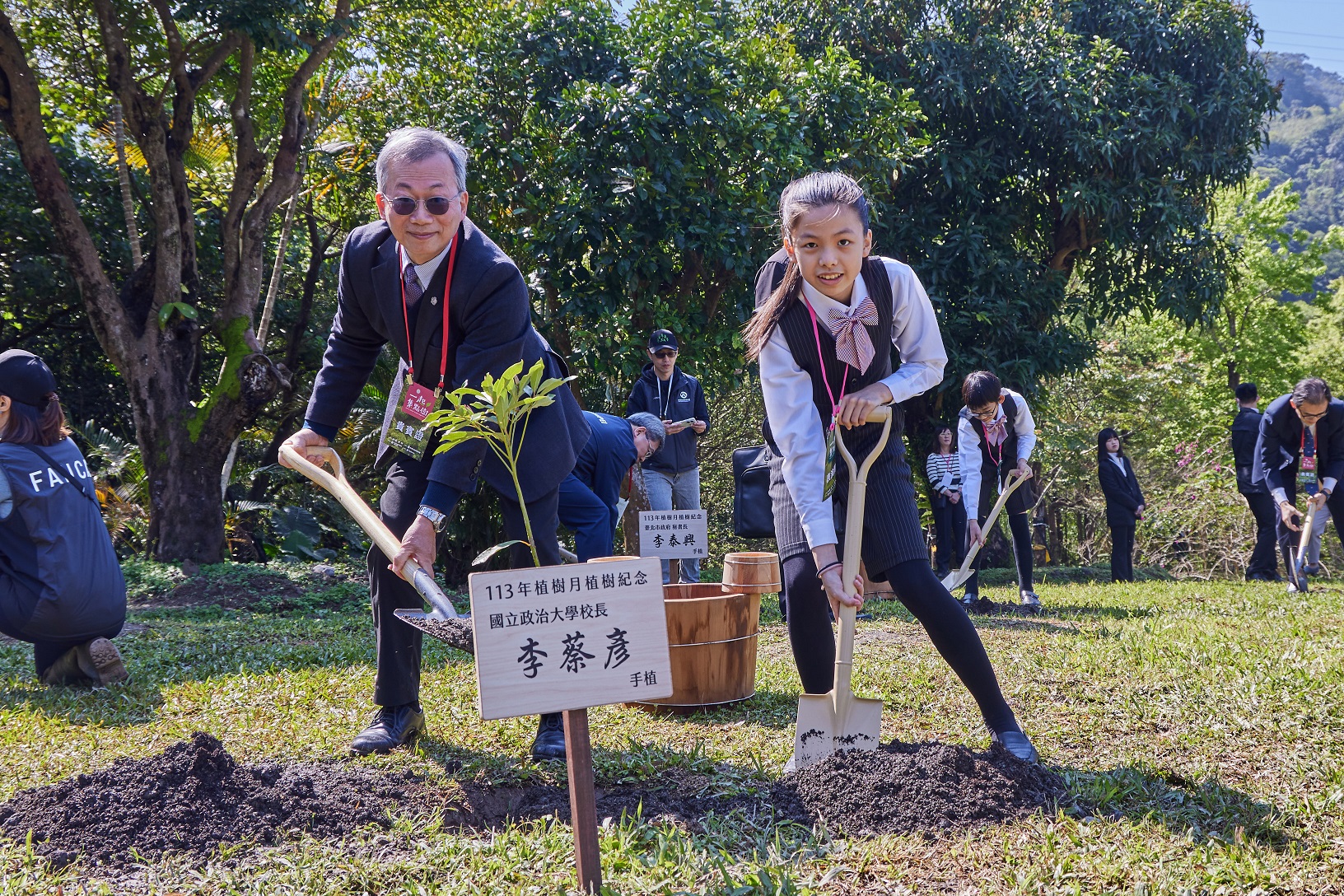
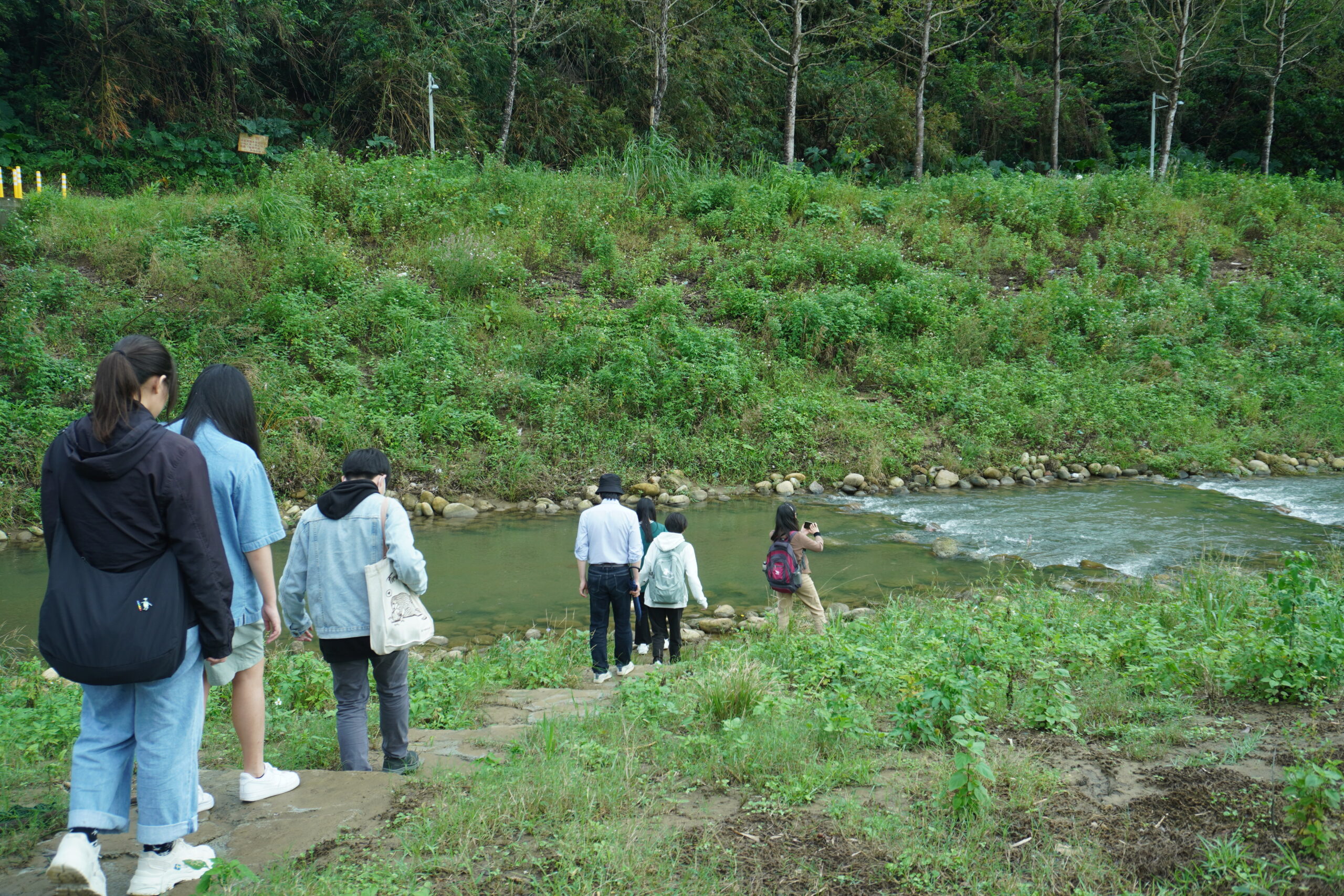
The NCCU campus is adjacent to the Maokong mountain range and crossed by the Zhinan and Jingmei streams, giving it high ecological value. A 2023 survey by the Nature Conservation Society of the Republic of China recorded rich biodiversity in the back-hill area, including wildlife such as muntjacs, crab-eating mongooses, and pangolins, which are listed as Critically Endangered (CR) on the IUCN Red List. Two campus trees are also designated as protected trees by the Taipei City Government and are regularly monitored.
In 2024, the University signed an MOU with the Taipei Zoo to advance the International Greater Wenshan Academic Corridor, promoting collaboration in humanities, ecology, and international exchange. Initiatives include involving College of Foreign Languages students in ecological guided tours and supporting eco-themed field trips in the Muzha area, while continuing to integrate courses and activities to strengthen environmental education.