
Sustainability Courses Overview
Universities are key venues for cultivating professionals working towards sustainable development, and courses are the core medium connecting knowledge and practice. Since the 2023 academic year, NCCU has systematically reviewed the relevance of its curriculum to the UN’s Sustainable Development Goals (SDGs). Faculty are encouraged to connect sustainability issues in their courses and to highlight the relevance of their disciplines to sustainable development. Over the past three years the number of such course offerings has steadily increased with over 800 SDG-related courses offered in 2024, representing nearly 16% of total NCCU course offerings. The content of these courses mainly focuses on SDG 16 (Peace, justice and strong institutions), 4 (Quality education), 8 (Decent work and personal development), 10 (Reducing inequalities) and 17 (Partnerships for the goals). While distributed among a wide range of departments, the SDG courses are most heavily concentrated in the School of International Innovation, the School of Education and the School of Social Sciences.


The lists of sustainability-related courses at NCCU for each semester in 2025 are available at the links below:
Sustainability-Related Teaching Units
NCCU’s colleges and departments offer sustainability-related courses across diverse fields. Credit programs and micro-programs are also available for students interested in sustainability learning pathways.
Micro-program
| 微學程Micro-program | ||
| 微學程名稱 | 簡介 | 相關網址 |
| 國土計畫微學程 |
系統性的熟習國土空間計畫之理論、法制與實務,培育國土規劃專業人才,並鼓勵非規劃專業領域同學跨領域修習,以強化學生專業能力。 | https://landeconomics.nccu.edu.tw/PageDocAll/Detail?fid=1572&id=28571 |
|
環境傳播微學程
|
提昇學生理解環境議題多元面貌之能力,推動環境永續議題的跨領域整合與創新溝通,培育兼具環境關懷與傳播技巧之人才 | https://comm.nccu.edu.tw/PageDoc/Detail?fid=13818&id=34627 |
|
環境與法律微學程
|
為提昇學生環境保護、永續發展與法制規範的理解及反思能力,培育具備永續素養及法律專業之人才,並鼓勵非法律專業領域同學跨領域修習 | https://www.law.nccu.edu.tw/zh_tw/departments/microprogram/環境與法律微學程-69336800 |
|
全球發展與夥伴關係微學程
|
為因應全球永續發展趨勢及社會需求,協助學生培養永續之精神以及實踐 | https://ocia.nccu.edu.tw/PageDoc?fid=13843 |
學分學程Program
| 學分學程Program | ||
| 學分學程名稱 | 簡介 | 相關網址 |
| 臺灣原住民族發展學分學程 |
整合原住民族相關課程,培育新生代人才,培養臺灣未來的領導者,以打造多元友善的社會為核心理念的學程。 | https://www.facebook.com/CTID.NCCU |
| 社會實踐與社區共善學分學程 |
國立政治大學「多元共容.文山共好」社區支持系統打造計畫。 | https://www.facebook.com/NCCUUSRWenshan/ |
| 企業永續經營與永續金融專長學程 |
學程設置目的在於提供學生對環境、社會和公司治理議題的專業知能,並培養學生永續經營的策略性思維,成為兼具道德和社會責任觀念的高階經理人才,在未來的職業生涯中發揮所學,對社會和環境產生積極正向的影響。 | https://sp.nccuc.tw/ |
|
近代社會的身體與性別跨領域學分學程
|
政大「近代社會的身體與性別」跨領域學分學程旨在引領學生思辨身體與性別如何形塑自我與社會,並探究其與權力的互動。課程跨越史學、法律、政治、文學、傳播等領域,關注家庭、社區、社會及全球相關議題,培養學生反思能力與解決問題的學識。 |
https://history.nccu.edu.tw/PageDoc/Detail?fid=8659&id=11302 |
|
照顧哲學學分學程
|
政大照顧哲學學分學程旨在培養學生對社會照顧議題的人文視野與論述能力,並規劃實踐行動。課程結合哲學、歷史、社會、民族、心理及中文等多元學科,探討健康、疾病、家庭、文化與生命敘事等面向,期能深化學生對人性處境的理解。 |
https://thinker.nccu.edu.tw/PageDoc/Detail?fid=10435&id=16813 |
|
歐洲聯盟研究國際學分學程
|
政大歐洲聯盟研究國際學分學程旨在培養學生對歐盟的認識與國際競爭力。透過與歐洲大學合作,提供多元課程與交換機會,涵蓋歐盟歷史、政治、經濟、法律及文化等面向。旨在培養學生對歐盟的全面理解。 |
|
Department /Graduate Institute
| 學系Department /研究所Graduate Institute | ||
| 系所名稱 | 簡介 | 相關網址 |
|
地政學系
|
國立政治大學地政學系結合人文社會與理工科技,培養土地管理、資源規劃、測量資訊等專業人才,強調土地經濟、法制與開發實務,並透過跨組課程整合國土規劃與空間資訊技術,推動土地永續利用與環境發展政策。 | https://landeconomics.nccu.edu.tw/ |
| 土地政策與環境規劃碩士原住民專班 |
國立政治大學土地政策與環境規劃碩士原住民專班培養原住民族土地事務專業人才,整合民族、地政、公共行政、法律等領域,結合原住民傳統生態知識與永續發展理念,培育具在地實踐能力的土地管理者,推動原住民族土地權益與環境永續發展的政策實踐。 | http://iland.nccu.edu.tw/ |
心理學系 |
培育具有心理學專業素養、心理實務工作能力、理性批判思考能力、具國際觀及健全人格發展的人才。 | https://psy.nccu.edu.tw/ |
|
輔導與諮商碩士學位學程 |
本校教育學院及理學院合作設立之「跨領域」的輔導與諮商碩士學位學程,本學程核心課程教師包含教育系所、心理系所相關教師。 | https://mpcg.nccu.edu.tw/ |
| 公共行政學系 |
國立政治大學公共行政學系成立於1963年,為臺灣最古老的公共行政學系,培育政府與第三部門人才,近年課程整合全球公共事務治理與人工智慧與公共治理等永續議題,強調跨域政策設計與數據分析能力,培養具批判性思維的公共事務專才。 | https://pa.nccu.edu.tw/ |
|
社會學系
|
國立政治大學社會學系是台灣第一所社會學系。以「社會科學的基礎」為定位,致力於培養學生社會學的專業知識、研究能力和社會關懷。本系與永續相關的課程包括「環境社會學」、「社會運動」、「性別與社會」、「社會政策」等。本系也積極參與永續相關的研究計畫和活動。 |
|
|
民族學系
|
政治大學民族學系是國內唯一以民族學為核心的學系,強調實證研究,聚焦台灣原住民族、中國少數民族及東南亞新住民研究。課程涵蓋民族學理論、民族史、民族誌,並重視學生實地參與。旨在培養具多元文化視野、學術研究及文化行政人才。 |
|
|
國家發展研究所
|
政大國家發展研究所(GIDS)以社會科學跨領域研究為基礎,聚焦「發展研究」,旨在培育具備專業分析能力和國際視野的國家建設人才。課程核心為發展理論與政策,並強化理論與實務訓練。碩士班強調國家發展理論(政治、經濟、社會、永續發展)及研究方法。 |
|
| 企業管理學系 |
企業管理學系培育具系統化思維的管理人才,結合五管核心知識(生產、行銷、人力、財務、資訊)與數位經營、創新應用,強調產學實習與跨領域整合,培養兼具商業智慧與永續發展視野的管理者,能應用ESG理念於企業策略規劃與社會責任實踐。 | https://ba.nccu.edu.tw/ |
| 資訊科學系 |
資訊科學系整合跨領域研究,結合AI、資料科學與永續發展,透過智慧技術應用推動環境監測、社會公平與經濟效能的平衡發展,培育具永續思維的資通訊人才,實踐科技與永續的協同創新。 | https://www.cs.nccu.edu.tw/web/index/index.jsp |
| 法律學系 |
政大法學院設立六大研究中心與大陸法制中心,師資國際化,並創設首創跨領域法科所,培育專業與科際整合人才,學術與實務並重。為培養未來之法律人才,共設有財產法等十個「選修學程」,讓同學依照個人志趣,選擇相關法律選修學程。 | https://law.nccu.edu.tw/ |
|
教育學系
|
政大教育學系以培育中等學校師資及教育行政人才為目標,兼具理論與實務。課程涵蓋教育哲學、心理學、社會學等多面向,並與政大附中實小緊密合作,提供豐富實習機會,致力於培養具備專業知能與人文關懷的教育工作者。 | https://educ.nccu.edu.tw/ |
| 創新國際學士班 |
國立政治大學創新國際學院以跨領域整合「全球治理」、「永續與社會」、「資料分析」三軌課程,培養具國際視野與問題解決能力的菁英人才。課程結合實境模擬(如全球衛生治理、協商劇場)、永續發展桌遊等創新教學,強調永續發展與公民權核心理念,培育青年參與公共事務與創新方案設計能力。 | https://ici.nccu.edu.tw/ |
| X實驗學院 |
政大X實驗學院以跨域實驗為核心,透過自主學習、社區連結與永續發展實踐,打造「共工聚落」解決真實問題。以社資中心青年旅館、工坊等空間為基地,強調體驗式學習與在地永續議題,串聯校內外資源,探索高教未來。 | https://x.nccu.edu.tw/ |
Sustainability Course Highlights
- Case 1| “Building the Bamboo House ” Independent General Education Course: Building a Gathering Place for Cultural Awareness
- Case 2|Deconstructing the Body and Gender: NCCU Department of History Launches Interdisciplinary Program to Explore Modern Society
- Case 3|Integrating Law and Society across Sectors to Address a Super-aging Society: Focusing on Elderly Protection, Property, and Healthcare Decisions
Case 1| “Building the Bamboo House ” Independent General Education Course: Building a Gathering Place for Cultural Awareness
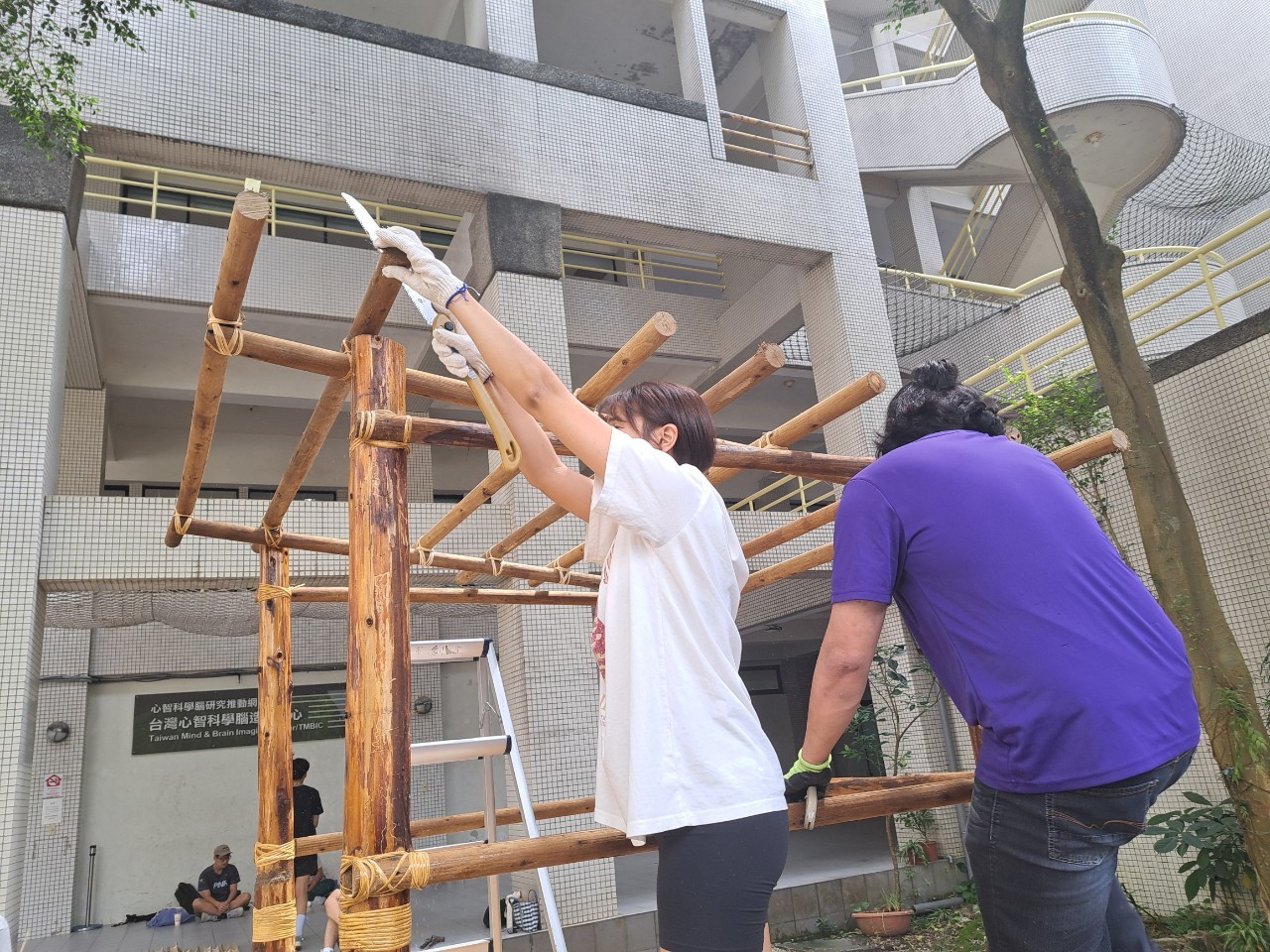
Associate Professor Wang Ya-ping of the Department of Ethnology and NCCU students
This course was guided by the idea of “building our gathering place,” using the Atayal granary as its architectural model. Hands-on construction took place in front of the NCCU Information Building in early 2024, following cultural lectures and off-campus field learning, including visits to the Tongmen community in Hualien and National Dong Hwa University. In the final stage, Atayal elders and artisans from Wufeng Township led students in constructing a bamboo granary on campus, reviving traditional craftsmanship and cultural values. The structure is envisioned as a shared space for rest, gathering, and cultural exchange.
Historically, the NCCU campus was part of the traditional hunting grounds of the Atayal Kuchi community. Through hands-on practice, the course embodied the spirit of independent learning while deepening faculty and students’ understanding of Indigenous culture and strengthening intercultural dialogue on campus.

Case 2|Deconstructing the Body and Gender: NCCU Department of History Launches Interdisciplinary Program to Explore Modern Society
Department of History
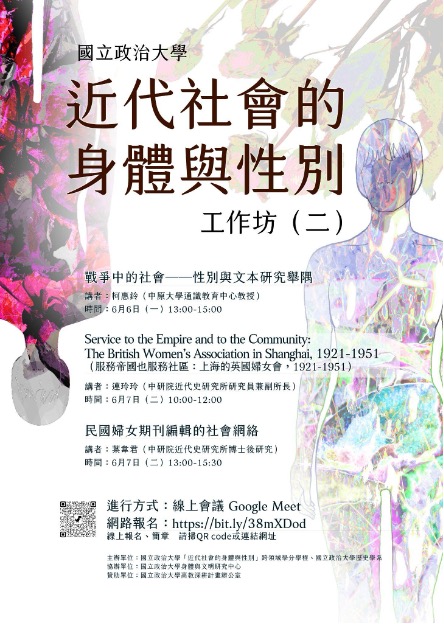
The NCCU Department of History offers an interdisciplinary, for-credit course, Body and Gender in Modern Society, which examines body and gender issues and their influence on life stages, interpersonal relations, and social behavior. The course brings together faculty from seven departments across the humanities, social sciences, law, and communication, integrating perspectives from history, political science, sociology, law, literature, and media studies to balance theory and practice.
Course topics include women’s history, gender and modernity, urban space, body culture, disability, and ethics. Through lectures and workshops, the course encourages critical reflection and interdisciplinary learning, demonstrating NCCU’s ongoing commitment to gender education.
Case 3|Integrating Law and Society across Sectors to Address a Super-aging Society: Focusing on Elderly Protection, Property, and Healthcare Decisions
College of Law Professor Chu Te-fang
Since Taiwan became an aging society in 2018, issues such as senior rights, long-term care, medical decision-making, and financial security have drawn increasing attention. In response, Professor Chu Te-fang of NCCU’s College of Law established the Senior Legal Education Community to enhance faculty and student understanding of legal issues related to aging. Through book clubs, expert lectures, and interdisciplinary dialogue, the community addresses topics including financial planning, healthcare decisions, and seniors’ physical and mental well-being.
In 2024, the community organized seminars on financial exploitation prevention, property planning, and medical decision-making for seniors. Discussions highlighted gaps in existing legal databases and explored tools such as consensual guardianship and nursing trusts, strengthening legal literacy and support systems for an aging society.
