永續研究與產學能量Sustainability Research and Industry Collaboration Capacity
永續發展相關研究中心Sustainability-Related Research Centers
| 研究中心Research center | ||
| 研究中心名稱 | 簡介 | 相關網址 |
| 政大企業永續管理研究中心 |
政大企業永續管理研究中心致力於推動企業永續發展,透過學術研究與產學合作,協助企業建立ESG(環境、社會、治理)策略,並辦理氣候相關財務揭露評鑑,促進企業轉型與永續經營。 | https://cbs.nccu.edu.tw/ |
| 數位賦能與永續發展研究中心 |
政大數位賦能與永續發展研究中心致力於培育跨領域國際人才,結合前瞻數位科技與永續發展教育,鏈結聯合國ESD永續發展教育倡議,推動教育創新與產業實踐,提升社會永續競爭力。 | https://ssd.nccu.edu.tw/ |
| 永續創新民主研究中心 |
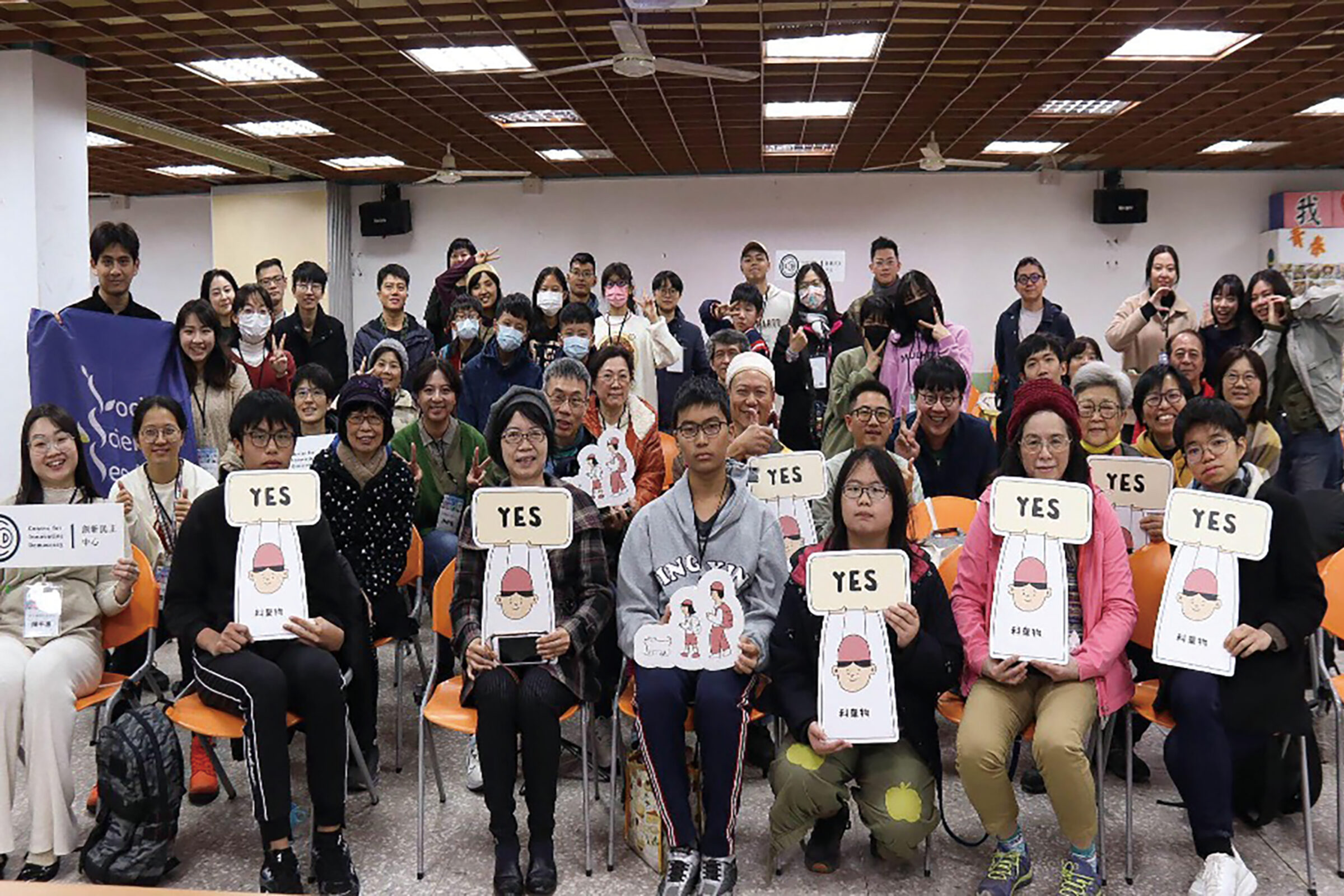
政大永續創新民主研究中心致力於推動永續發展與民主治理的結合,透過跨領域研究與產學合作,探討氣候變遷、數位轉型、區域治理等議題,以促進社會共好與民主深化。 | https://cid.nccu.edu.tw/ |
|
原住民族研究中心
|
原住民族研究中心致力於台灣原住民族語言、教育與文化的永續發展,編撰教材、推動語言能力認證,並促進國際交流與學術合作,為原住民族教育及文化保存提供重要支持。 |
|
|
臺菲原住民知識、在地知識與永續發展科研中心
|
政大臺菲原住民知識在地知識與永續發展科研中心成立於2019年,透過與菲律賓伊富高大學及國際夥伴合作,進行跨國原住民知識與在地知識研究,旨在推動永續發展並串聯國際組織合作平台。 |
|
Research Status
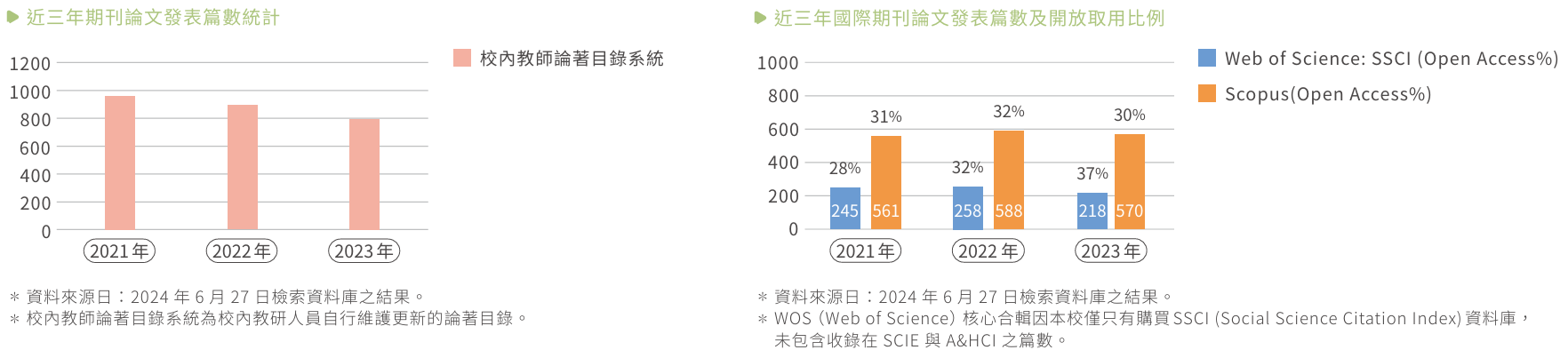
The NCCU faculty research focuses on the humanities and social sciences, with faculty members publishing 767 papers in 2024, including nearly 150 papers published in open access journals (Scopus), promoting the public dissemination of research findings.
According to the SciVal database, in recent years NCCU faculty and researchers have made significant research contributions in the field of sustainable development, with particular focus on SDG3 (Good Health and Well-being), SDG4 (Quality Education), SDG8 (Decent Employment and Economic Growth), and SDG9 (Industrial Innovation and Infrastructure). In the years from 2021 and 2024, over 25% of all university faculty and researchers published SDG-related research indexed in the SciVal database.

Overview of Industry-Academic Collaboration
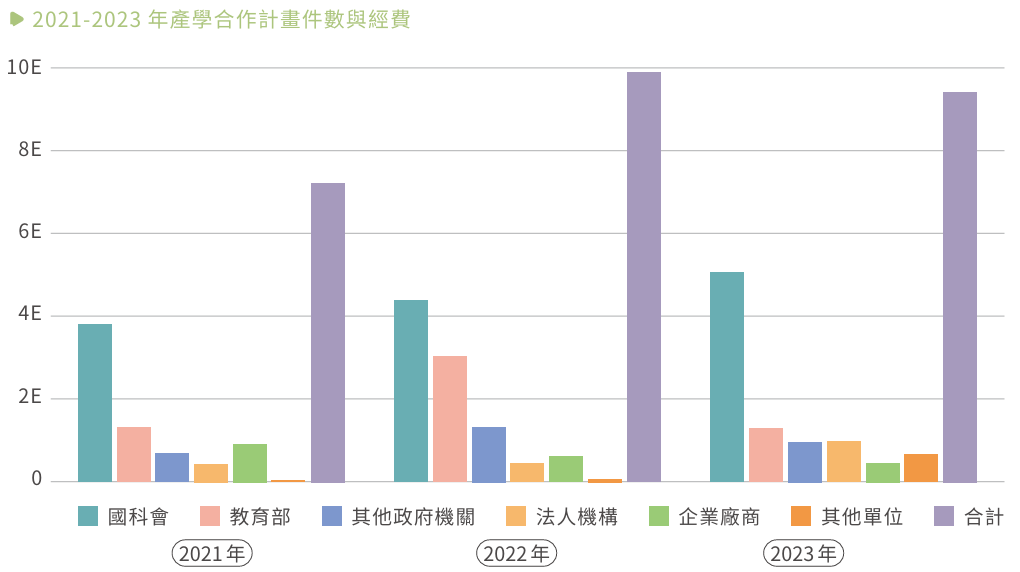
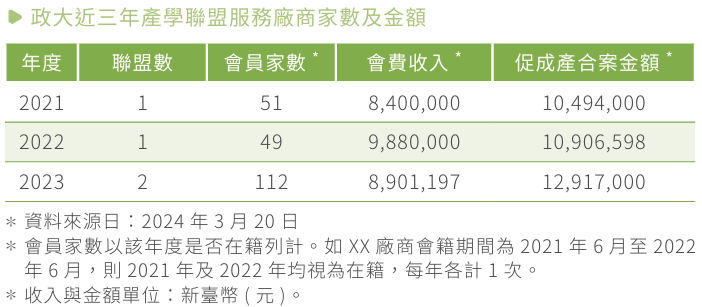
Despite current trends in higher education that emphasize science and engineering over the humanities and social sciences, we at NCCU believe that the humanities and social sciences bring critical value to industry-academia collaboration and that such cooperation should emphasize the process of knowledge value-add and application, pursuing not only the technological transformation of cooperation results but also their tangible impact on society. Adhering to the principle of “developing distinctive characteristics and mutually reinforcing cooperation,” NCCU continues to promote diverse forms of industry-academia collaboration, including financial, policy, cultural, and cross-university collaborations. These assume diverse forms including visits, internships, lectures, consulting, R&D collaboration, and textbook co-production. The scope of collaboration partners has also expanded to include government, NGOs, and community organizations, fostering an industry-academia ecosystem imbued with humanistic care and public value.


Research and Industry Collaboration Highlights
Industry-Academic Collaboration
Case 1|
Taipei Veterans General Hospital and National Chengchi University Jointly Promote Cross-disciplinary Talent Cultivation in Smart Medicine and Humanistic Medicine
Case 2|
Sinyi School Releases ESG Survey of Taiwanese Companies, Revealing Keys to Sustainable Transformation
Case 3|
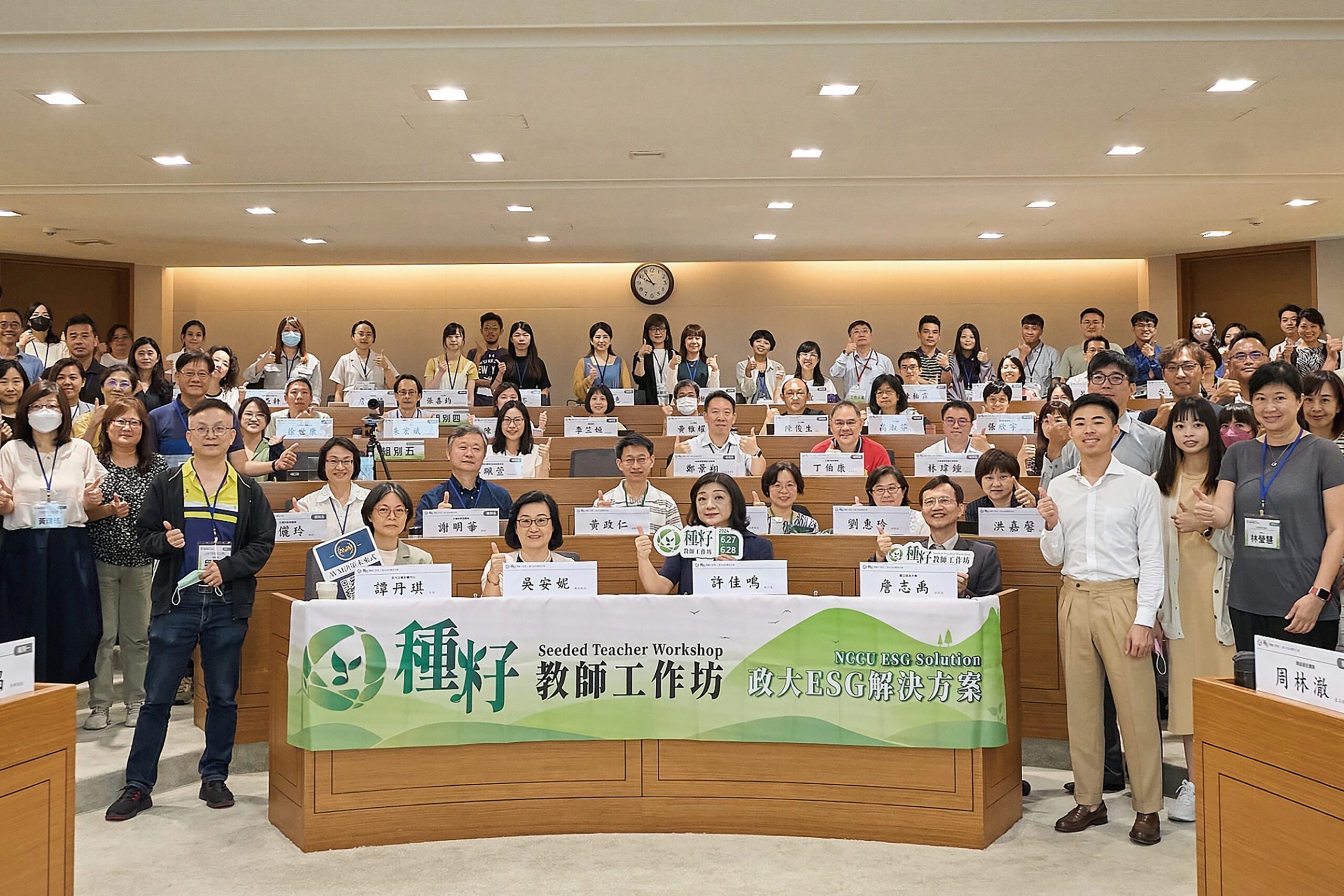
NCCU’s ESG Solutions Help Businesses Transition to Sustainability
Academic Research
Case 1|
“Because Bees Buzz Underground / We Have Earthquakes.” Analysis of Ecological Warnings and Human Reflections in the Poetry of Chen Li
Case 2|
Sustainable Urban Transformation: Exploring the Opportunities and Challenges of Street Open Space
Case 3|
Insights into Judicial Workload: Research Suggests Integrating Management Approaches to Enhance Effectiveness
Inter-University Collaboration
Case 1|
Science and Technology Innovation Center for Taiwan-Philippines Indigenous Knowledge, Local Knowledge and Sustainable Studies: An international platform to promote knowledge sharing and cooperation